Facebook
 X
X
 Pinterest
 Copy Link
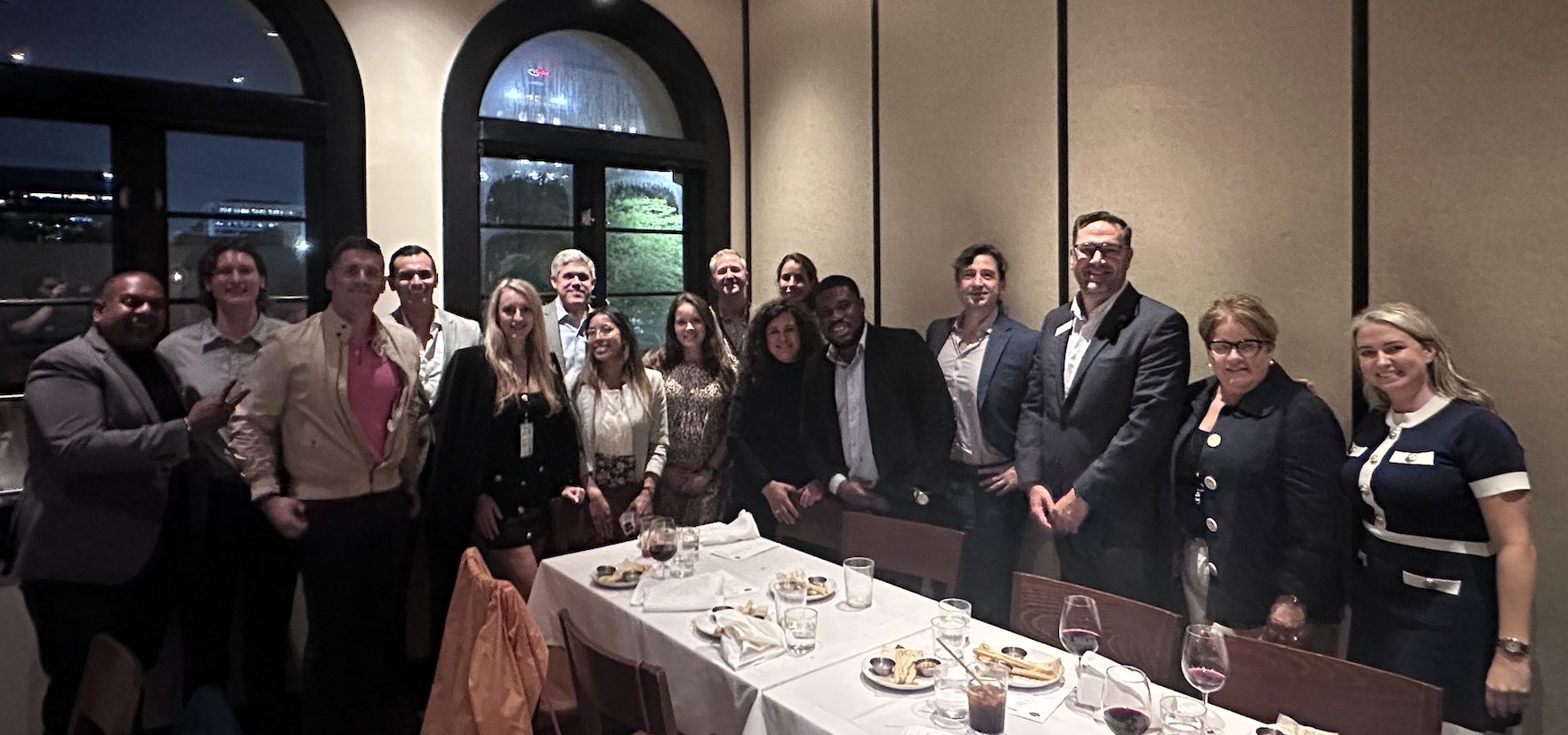
As a member of the Economic Club of Miami, I had the opportunity to attend the 2026 Florida Tech + Innovation Summit this week hosted by the James Madison Institute, Florida’s leading public policy Think Tank. Policymakers, industry leaders, technology innovators, and policy analysts gathered to discuss how Florida can position itself at the forefront of technological innovation, while simultaneously protecting the rights and interests of its citizens.
Key Themes
One of the most compelling themes throughout the Summit was the idea that Florida has a unique opportunity to chart its own course. While states such as New York (my former home) and California often approach emerging technologies through regulation, many of the speakers advocated for a more balanced approach – embracing innovation, while establishing thoughtful guardrails as needed.
Artificial intelligence was at the center of many conversations. Rather than focusing solely on the risks, discussions explored how AI may be integrated across industries to improve efficiency, expand access to services, and create new opportunities.
Erika Donalds, founder of OptimaEd, shared particularly insightful perspectives on the future of education, highlighting how AI can help personalize learning and better prepare students for a rapidly changing workforce. Her message highlighted that technology should be viewed as a tool to enhance human potential and that customization across verticals is possible with the support of AI.
Privacy/individual rights was another recurring topic. Speakers examined how Fourth Amendment protections apply in a digital age where personal data has become one of society’s most valuable commodities. Conversations focused on the importance of protecting citizens’ digital footprints while ensuring innovation can continue to flourish. It was a reminder that technological progress and individual liberty need to advance together.
The growth of data centers generated particular buzz and was a recurring theme. As demand for AI and cloud computing accelerates, communities across Florida will likely see increased interest in data center development. Speakers addressed many of the “kitchen table” concerns that residents across the country raise – energy consumption, water usage, noise, and land use – with perspectives from representatives across states. What I appreciated was the effort to separate perception from reality through case studies and data. The data illuminated data centers’ potential in economic benefits, job creation, increased local tax revenue, and the possibility of easing property tax burdens in some communities. I came to the Summit a skeptic, but the data provided a thought-provoking counter-argument.
Broadband infrastructure was another major focus. The Broadband Equity, Access, and Deployment initiative (BEAD) sparked conversations about the roles of local, state, and federal governments in expanding connectivity. This was a new acronym for me (I will admit) and one I am excited to research further. Reliable broadband was emphasized as essential infrastructure that supports education, healthcare, business development, and economic mobility.
What made the Summit particularly valuable was the diversity of perspectives represented. Attendees came not only from Florida, but from across the country, bringing experiences from different markets, industries, and policy environments. I had the pleasure of sitting next to Justin Wilmeth, of the Arizona House of Representatives, who articulately shared his perspective on navigating the opportunities and tradeoffs of AI adoption at the state level.
As someone whose work revolves around communities, growth, and the places where people live and work, I left with a deeper appreciation for how closely technology policy and quality of life are intertwined. The decisions being made today about artificial intelligence, broadband access, data privacy, and infrastructure will shape Florida’s economic landscape for future decades.
I also left with a new appreciation for a few words that surfaced throughout the conference – “exigent, codify, delineate, fallacy, nebulous, abysmal, rescission, myriad, and tenable.” They seemed fitting for discussions about a future that is evolving quickly and requires both vision and careful consideration on word choice. Thank you to the Think Tanks in attendance for expanding my vocabulary!
Florida’s growth story is often told through population data, business relocations, and new development projects. This Summit offered a different perspective in that the future of our state will also be shaped by how thoughtfully we embrace innovation, protect individual freedoms, and create opportunities for the next generation.
Grateful to The James Madison Institute – in particular, Brian Hickey, VP of Advancement, for hosting this informative Summit and highlighting how innovation can improve the way we live, work, and connect with one another. Key takeaway – I am proud to be a resident of the free state of Florida and grateful to the Economic Club of Miami, for opportunities to convene and collaborate. To all the ECM members that attended!